Recent Posts
Giallo Began with Yellow Crime Books and Became a Style of Italian Film
A yellow book cover gave Italian crime fiction a name. Later, that same word travelled into film culture and acquired a narrower, more unsettling meaning for audiences outside Italy. The journey from a publisher’s shelf to a darkened cinema is a good story in itself, and it tells us something about the slippery way genres grow.
In 1929 Mondadori launched a line of detective novels in distinctive yellow covers. The early list brought translated crime fiction to Italian readers, including S.
read more
High and Low vs Animals: Two Kidnapping Thrillers With Opposite Moral Conclusions
More than six decades separate Akira Kurosawa’s High and Low (1963) and Ben Affleck’s Animals (2026), yet both begin with the same terrible predicament. A wealthy man learns that his son has been kidnapped and that the ransom threatens everything he has built. Then comes the reversal: the kidnappers have taken the wrong child. His own son is safe. A poorer family’s child is in danger, and saving him will come at a tremendous personal cost.
read more
Jeffrey Archer Dies at 86: A Tribute to Britain's Great Storyteller
Jeffrey Archer died last night at 86. He sold more than 300 million books, and he never once pretended to be anything other than what he was: a man who wanted you to turn the page.
That sounds like a small ambition. It isn’t. Plenty of literary novelists have spent careers trying to hold a reader the way Archer held millions of them on trains, on beaches, in hospital waiting rooms.
read more
East of Eden on Netflix: Good and Bad Are Transient States for Steinbeck's Characters
Netflix put all seven episodes of East of Eden online on October 1. Zoe Kazan adapted it, which closes a family loop of sorts: her grandfather Elia Kazan directed the 1955 film with James Dean, and that film used only the last stretch of Steinbeck’s novel. Lee doesn’t appear in it at all.
The series takes the whole thing, from 1862 to 1918. Tracy Letts plays Cyrus Trask, with Christopher Abbott and Mike Faist as his sons, Adam and Charles.
read more
No News From God at 25: Díaz Yanes' Heaven and Hell Comedy Still Lands
Heaven has a numbers problem. Hardly anyone passes the entrance exam any more, intake has dried up, and management is close to writing the whole century off. Hell has the opposite trouble, which is overcrowding. Then a woman on Earth prays for her son, a boxer with a bad past and a head injury that could kill him, and both head offices scramble a field agent to go get him.
read more
Beauty in Black Is a Racist Show, and Tyler Perry Being Black Doesn't Change That
I don’t like this argument when other people make it. The claim that a book or a film degrades the race, that it hands ammunition to the other side, that it should have been made differently for the good of the group, has an ugly record. It was used against Richard Wright for writing Bigger Thomas, and against Zora Neale Hurston for not writing him, by critics equally sure of themselves.
read more
Pascali's Island: Barry Unsworth's Novel and the 1988 Ben Kingsley Film Are Both Excellent
My copy is the Penguin film tie-in, secondhand, cover soft at the corners, Ben Kingsley’s face floating over a block of hot orange. Usually a tie-in edition is a warning sign. It means the book is being sold on the back of a film, and the film is generally the reason nobody bothers with the book afterwards. This one is the exception. The novel is very good and the film is very good, and they are good in different enough ways that neither spoils the other.
read more
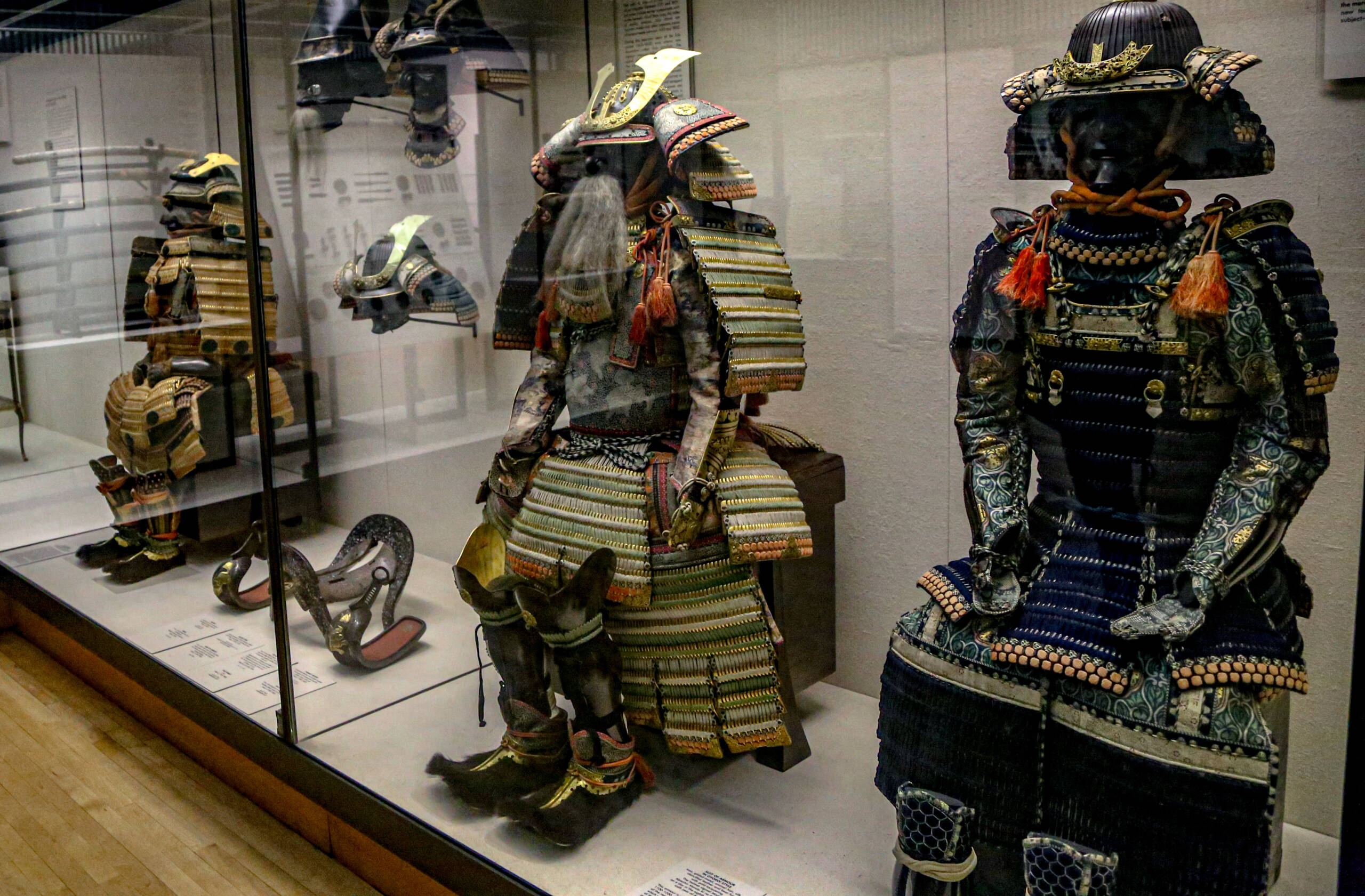
Samurai Films Like 13 Assassins: Why 11 Rebels Is the One That Works
Ask for “a recent samurai movie like 13 Assassins” and you’ll get a pile of recommendations that share a costume and nothing else. Everyone points you at the streaming series. Most of them miss.
The problem is that the request is usually about structure, not setting. What people remember from Miike’s film isn’t the swords. It’s the assembly. Somebody decides a man has to die, somebody else goes around collecting the people who will do it, and then those people walk into a village they know they won’t walk out of.
read more
The Guns of Navarone and Point of Impact: When the Book Beats Even the Acclaimed Movie
“The book was better” is the laziest line in criticism. Nine times out of ten it means the reader got there first and resents the recasting. The face in your head was wrong, so the film is wrong.
Fine. But there’s a harder version of the claim, and it’s the interesting one. Not the case where a bad film ruins a good book. The case where the film is genuinely good, respected, still watched, and the book still wins by a distance.
read more
The Death of Robin Hood Review: Hugh Jackman's Unforgiven Without the Pulse
About ninety minutes in I checked how much was left. That’s the honest version of this review. The rest is me trying to work out why, because the idea underneath this film is good enough that it should have worked.
Here’s the idea. Robin Hood was never the man in the ballads. He robbed and he killed and he was very good at it, and then he lived long enough to hear children sing songs about a version of himself that never existed.
read more